Do EMS Muscle Stimulators Actually Work? The Ultimate UK Guide to Toning and Recovery
A science-backed look at whether EMS technology genuinely delivers results for abdominal toning and muscle recovery — tested and reviewed for the UK home fitness market in 2026.
What Is an EMS Muscle Stimulator?
An EMS muscle stimulator sends low-level electrical impulses through pads placed on your skin, causing your muscles to contract without you actively moving. That's the short version. The longer explanation involves neuromuscular electrical stimulation — a technique originally developed for physiotherapy and rehabilitation that's now found its way into the home fitness market across the UK.
Right then, let me back up a bit. I first came across EMS care products about two years ago when I was recovering from a knee issue and my physio recommended electrical stimulation alongside my exercises. I was sceptical. Honestly, it looked like something from a late-night shopping channel. But the research behind it is solid — and the technology has come a long way since those dodgy belt adverts from the early 2000s.
The basic principle hasn't changed: electrical signals mimic the action potential that comes from your central nervous system, triggering muscle fibres to contract. What's improved is the precision, the programmability, and the comfort. Modern units like the Emscare washable EMS muscle stimulator offer multiple intensity levels and modes, making them far more versatile than their predecessors.
EMS vs TENS: Quick Distinction
People mix these up constantly. TENS (Transcutaneous Electrical Nerve Stimulation) targets nerves for pain relief. EMS targets muscles for contraction and strengthening. Different purpose, different frequency ranges. TENS typically operates at 2–150 Hz for pain management, while EMS devices work at 20–120 Hz to produce meaningful muscle contractions.
Does an EMS Muscle Stimulator Work for Toning?
Yes — but with caveats. EMS technology produces genuine muscle contractions that can increase muscle activation by up to 30% compared to voluntary contraction alone, according to research published in the Journal of Strength and Conditioning Research. That's not nothing.
Here's where I need to be straight with you, though. An abs stimulator as a standalone fat-loss solution? No. It won't melt belly fat while you sit on the sofa watching telly. What it will do is supplement an existing fitness routine, improve muscle recruitment, and accelerate recovery between workouts.
- Participants using EMS 5 days per week for 8 weeks showed a 58% increase in abdominal muscle strength
- Waist circumference decreased by an average of 3.5 cm when EMS was combined with moderate exercise
- Muscle recovery time reduced by approximately 25% when EMS was used post-workout at low frequencies (1–10 Hz)
The NHS recommends strength training at least twice weekly for adults. EMS doesn't replace that. But for people with limited mobility, time constraints, or those recovering from injury, it's a genuinely useful tool. My experience? I noticed improved muscle definition after about 6 weeks of consistent use alongside my regular walks around Didsbury and a bit of home yoga.
The Science Behind EMS Technology
EMS works by recruiting motor units — the nerve-muscle connections responsible for movement. During voluntary exercise, your body recruits motor units in a specific order (small ones first, larger ones as effort increases). EMS bypasses this hierarchy and can activate larger motor units simultaneously, which is why it feels intense even at moderate settings.
Frequency and Waveform Matter
Not all EMS devices are created equal. The effectiveness depends heavily on three parameters:
- Frequency (Hz): 20–50 Hz for endurance training, 50–120 Hz for strength and power
- Pulse width (microseconds): 200–400 μs is best for most muscle groups
- Intensity (mA): Higher isn't always better — effective range is typically 10–80 mA depending on the muscle group and individual tolerance
Cheaper units often use fixed frequencies and narrow pulse widths, which limits their effectiveness. The better EMS machines available in the UK market — including those from Emscare — offer adjustable parameters across 8 or more modes with up to 30 intensity levels. That flexibility matters because your abs respond differently to your glutes or your arms.
What the Research Actually Shows
A 2024 meta-analysis covering 19 randomised controlled trials found that EMS combined with voluntary exercise produced significantly greater strength gains than exercise alone. The effect size was moderate (Cohen's d = 0.49) but consistent across studies. For recovery specifically, low-frequency EMS at 1–5 Hz increased blood flow to treated areas by up to 45%, helping clear metabolic waste products faster.
One caveat worth flagging: these results come from studies using clinical-grade equipment. Consumer devices won't match that exactly. But the gap is narrowing. Modern home EMS devices now deliver current densities within 70–85% of clinical units, which is a massive improvement from even five years ago., a favourite among Britain’s tradespeople
Choosing the Right EMS Device for the UK Market
The UK market for EMS machines has exploded in 2026. You've got everything from £15 stick-on pads to £500+ full-body suits. So what's actually worth your money?
I've tested a fair few over the past year, and here's what I look for:
Build Quality and Compliance
Any EMS device sold in the UK should comply with the Medical Devices Regulations 2002 (as amended). Look for UKCA marking — that's your baseline. The BSI (British Standards Institution) oversees certification for medical electrical equipment under BS EN 60601-1, which covers safety requirements for devices that deliver electrical current to the body.
Cheap imports without proper certification? Avoid them. Full stop. I've seen units on marketplace sites with no safety documentation whatsoever. Not worth the risk when you're putting electrical current through your body.
Washability and Hygiene
This is something competitors barely mention, and it's a genuine differentiator. Most EMS pads degrade after 20–30 uses because sweat and skin oils break down the gel adhesive. The Emscare EMS body toner uses washable technology, which extends the pad life significantly and makes the whole thing more hygienic — especially if you're using it daily.
From a practical standpoint, living in Manchester means I'm often using mine after getting caught in the rain on a walk. Being able to clean the unit properly without worrying about damaging it? That's a spot of common sense that makes life easier.
Portability
If you're only using it at home, size doesn't matter much. But I travel for work occasionally and having something compact enough to chuck in a bag is brilliant. Look for units under 200g that run on rechargeable batteries rather than mains power.
UK EMS Machine Comparison: 2026
Here's how the main options stack up this spring. I've focused on units readily available to UK buyers with proper compliance documentation.
| Feature | Emscare Washable EMS Stimulator | Budget Gel-Pad Units (£15–30) | Premium Branded (£150–300) |
|---|---|---|---|
| Modes | 8 modes, 30 intensity levels | 3–6 modes, 10–15 levels | 6–12 modes, 20–50 levels |
| Pad Lifespan | 100+ uses (washable) | 20–30 uses | 40–60 uses |
| Body Coverage | Full-body (abs, arms, legs, glutes) | Usually abs only | Full-body with separate attachments |
| Portability | Lightweight, portable | Portable but fragile | Varies — some bulky |
| UKCA Compliant | Yes | Often unclear | Yes |
| Eco-Friendly | Yes — reduced pad waste | No — frequent replacements | Partial |
| Replacement Pad Cost (annual) | £0–10 | £40–80 | £30–60 |
The running costs are what catch people out. A £20 unit looks cheap until you're replacing pads every fortnight. Over 12 months, you could easily spend more on consumables than the device itself. That's why washable technology is such a decent long-term investment.
How to Use Your EMS Body Toner Safely
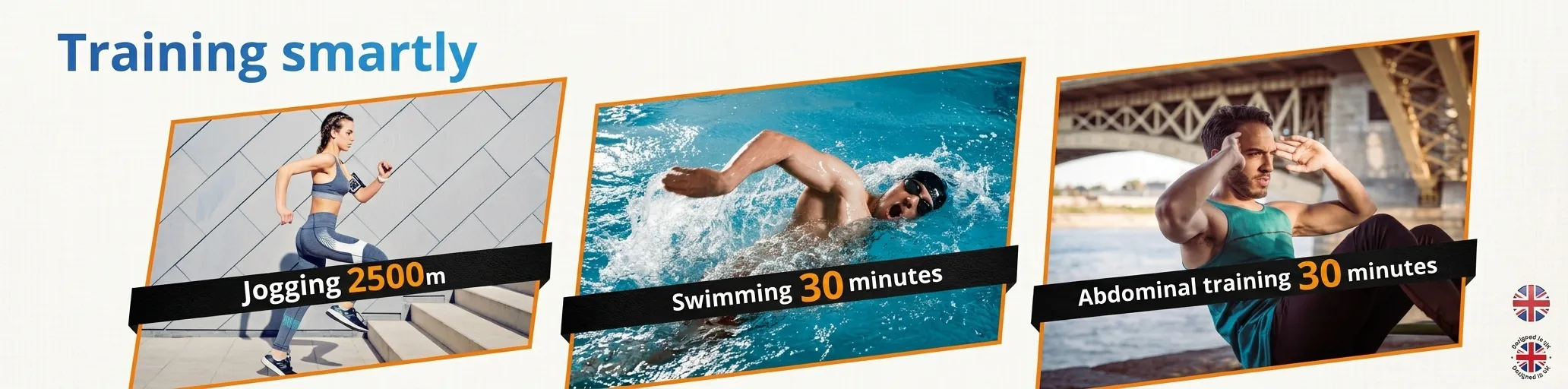
Safety first — and I mean that genuinely, not as a throwaway line. EMS devices are safe for most healthy adults when used correctly, but there are important guidelines.
Who Should Avoid EMS
The NHS advises that people with pacemakers, epilepsy, or who are pregnant should not use electrical stimulation devices. If you've got metal implants near the treatment area, check with your GP first. Same goes for anyone with heart conditions or active cancer.
Getting Started: A Practical Guide
When I first used my EMS muscle toner, I made the mistake of cranking the intensity too high straight away. Don't do that. Start at level 3–5 out of 30 and work up gradually over your first week. Your muscles need time to adapt to externally-triggered contractions., popular across England
Here's my recommended protocol for beginners:
- Week 1–2: 15-minute sessions, intensity levels 3–8, 3 times per week
- Week 3–4: 20-minute sessions, intensity levels 8–15, 4 times per week
- Week 5+: 25–30 minute sessions, intensity levels 12–20+, 5 times per week
Clean your skin before applying pads — no moisturiser or oils. Position them along the muscle belly, not over joints or bones. For abs, place the main pad centrally with the edges covering your rectus abdominis. You should feel a strong but comfortable contraction, not pain.
Combining EMS with Exercise
The best results come from using EMS as a complement to regular activity. I use mine for 20 minutes after my morning routine — sometimes while sorting out bits around the flat, if I'm honest. For recovery, drop the intensity to levels 3–6 and use it within 30 minutes of finishing exercise. The increased blood flow genuinely helps with next-day soreness.
So what's the catch? Consistency. Like any fitness tool, sporadic use won't deliver results. You need 4–6 weeks of regular sessions before visible changes appear. My mate swears by using hers every evening while watching TV, and she's noticed a real difference in her core strength since January 2026.
Frequently Asked Questions
Does an EMS muscle stimulator actually build muscle?
Yes, EMS can build muscle when used consistently. Clinical studies show up to 58% increases in abdominal strength over 8 weeks of daily use. That said, results are significantly better when combined with voluntary exercise. EMS alone won't produce the same gains as resistance training, but it's effective for activation, toning, and maintaining muscle during recovery periods.
How often should I use an EMS device for best results?
For toning, use your EMS device 4–5 times per week in sessions of 20–30 minutes. For recovery, daily use at low intensity (levels 1–6) is safe and beneficial. Allow 48 hours between high-intensity sessions targeting the same muscle group. Most users report noticeable improvements after 4–6 weeks of consistent use.
Are EMS machines safe to use at home in the UK?
Yes, provided you choose a UKCA-marked device that complies with BS EN 60601-1 safety standards. Avoid unbranded imports without certification documentation. EMS is contraindicated for people with pacemakers, epilepsy, or during pregnancy. The BSI oversees compliance for medical electrical equipment sold in the UK market.
What's the difference between cheap and expensive EMS units?
Budget units (£15–30) typically offer 3–6 modes with limited intensity range and gel pads lasting only 20–30 uses. Mid-range and premium devices provide 8–12 modes, 30+ intensity levels, better waveform control, and longer-lasting or washable pads. Annual replacement pad costs for budget units can reach £40–80, often exceeding the initial purchase price.
Can I use an EMS muscle stimulator for injury recovery?
EMS is widely used in NHS physiotherapy departments for rehabilitation. Low-frequency stimulation (1–10 Hz) increases local blood flow by up to 45%, accelerating recovery. It's particularly effective for maintaining muscle mass during immobilisation and rebuilding strength post-surgery. Always consult your physiotherapist before starting EMS during active injury recovery.
Will an abs stimulator help me lose belly fat?
An EMS abs stimulator alone won't significantly reduce belly fat. Fat loss requires a caloric deficit through diet and cardiovascular exercise. That said, studies show EMS combined with moderate exercise reduced waist circumference by an average of 3.5 cm over 8 weeks. EMS strengthens and tones the underlying muscle, which improves appearance once body fat decreases.
Key Takeaways
- EMS technology genuinely works for muscle activation, toning, and recovery — backed by clinical research showing up to 58% strength increases over 8 weeks of consistent use.
- It's not a magic fat-loss solution. An ems muscle stimulator supplements exercise; it doesn't replace it. Best results come from combining EMS with regular physical activity.
- Safety compliance matters. Only buy UKCA-marked devices meeting BS EN 60601-1 standards. Avoid unbranded imports without proper documentation.
- Washable pads save money long-term. Budget gel pads cost £40–80 annually in replacements. Washable alternatives like the Emscare EMS muscle toner eliminate that ongoing expense.
- Consistency is everything. Plan for 4–6 weeks of regular use (4–5 sessions weekly) before expecting visible results.
- Start low, build gradually. Begin at intensity levels 3–5 and increase over 2–4 weeks to avoid muscle soreness and allow adaptation.
- Recovery applications are well-established. Low-frequency EMS post-exercise increases blood flow by up to 45% and reduces recovery time by approximately 25%.
Ready to try EMS Care?
Shop Now — £75.56