Discover the Benefits of EMS Devices for British Users
EMS Benefits in the UK: What British Users Need to Know
TL;DR: In the UK, Electrical Muscle Stimulation (EMS) can help improve strength, muscle activation, circulation and recovery when used alongside normal exercise and physiotherapy. According to UK guidance, you should choose a UKCA/CE-marked device, follow NHS activity guidelines, and speak to a GP or physiotherapist if you have any medical conditions. Based on our testing with EMS Care users across Britain, 3–5 short sessions per week can be an effective, joint-friendly complement to regular training.
What Are the Key EMS Benefits in the UK?
- Electrical Muscle Stimulation (EMS) can complement regular exercise and physiotherapy by activating muscle fibres with precisely controlled pulses.
- Evidence suggests EMS can improve strength and muscle activation, support recovery and circulation, and help reduce post-exercise soreness when used properly.
- In the UK, look for UKCA/CE-marked devices and follow MHRA guidance; consult a GP or physiotherapist if you have a medical condition.
- Use EMS as an adjunct, not a replacement, for movement: the NHS recommends adults aim for at least 150 minutes of moderate activity plus muscle-strengthening on 2 days a week (source: NHS).
- Start low and progress gradually: typical home use involves 3–5 sessions per week of 15–30 minutes per muscle group.
What Is EMS and How Does It Work in the UK?
Electrical Muscle Stimulation (EMS) benefits UK users by sending controlled electrical pulses through pads on the skin to make muscles contract, which can support strength, activation and recovery when added to normal activity. Therefore, it offers British users a practical way to sharpen muscular performance and recovery at home or in clinic, without always needing extra gym time.
Whether you are balancing hybrid work, family commitments or training for your next 10K, Electrical Muscle Stimulation (EMS) offers a practical way to sharpen muscular performance and recovery at home. Modern EMS devices deliver targeted pulses to make muscles contract, supplementing voluntary exercise. In the hands of British users, that means convenient reinforcement of strength work, improved activation for underused muscle groups, and structured recovery without extra gym hours.
In the UK, EMS is used by physiotherapists and athletes alike, and consumer devices are now accessible, safe and simple to operate. If you are new to the concept, begin with our primer, the Comprehensive Guide to EMS in the UK, which explains the technology, terminology and how it differs from TENS (pain-modulation) devices.
What Are the Main Health Benefits of EMS?
Can EMS Help With Muscle Strengthening and Activation?
EMS recruits muscle fibres by sending controlled electrical impulses through surface electrodes, eliciting contractions without joint loading. This can be especially helpful when:
- you are returning from a period of inactivity or injury and need to re-engage specific muscles
- you struggle to “feel” a muscle during conventional exercises (e.g., glutes during hip work)
- you want to add high-quality stimulus without adding impact or joint stress
Systematic reviews indicate that EMS can meaningfully increase maximal strength and power when used in addition to regular training. For example, a Sports Medicine meta-analysis reported significant gains in maximal voluntary strength and sprint performance with EMS superimposed on training versus training alone (Filipovic et al., Sports Medicine). In clinical settings, neuromuscular electrical stimulation is also used to limit atrophy and improve activation after knee surgery or injury, helping patients “find” their quadriceps sooner so they can progress to loaded exercise under professional guidance.
Does EMS Improve Circulation, Recovery and Soreness?
Lower-frequency, lower-intensity EMS protocols can promote gentle rhythmic contractions that support local blood flow. Many users apply these “recovery” programmes after training to help reduce delayed-onset muscle soreness (DOMS) and stiffness. Whilst individual responses vary, the mechanism is straightforward: more circulation means better delivery of oxygen and nutrients and removal of metabolites, without adding mechanical stress to the joints.
Can EMS Support Rehabilitation and Joint-Friendly Loading?
In UK physiotherapy practice, EMS (often referred to as NMES—neuromuscular electrical stimulation) is sometimes prescribed to maintain tone and activation when full loading is not yet possible. This may be after surgery, during flare-ups of joint pain, or alongside progressive rehabilitation. Used correctly, EMS can provide a training stimulus that is “joint-sparing”, buying time until you can resume resistance work. Always speak to your NHS or private physiotherapist to integrate EMS into your individual programme.
How Does EMS Fit With UK Health Guidelines?
EMS is not a substitute for an active lifestyle. The NHS advises adults to complete at least 150 minutes of moderate-intensity activity per week and to include muscle-strengthening activities on 2 days a week (source: NHS physical activity guidelines). EMS can complement these targets—particularly the strengthening element—by efficiently stimulating specific muscle groups when time is short or joints are sensitive.
According to UK guidelines and MHRA expectations for consumer medical devices, EMS should be used exactly as instructed in the user manual, with appropriate settings and pad placement, and with medical input if you have underlying conditions.
Who Can Benefit From EMS in Everyday UK Life?
Which UK Users See the Most EMS Benefits?
We see three common use cases among EMS Care customers across the UK:
- Busy professionals: slot a 20-minute quad, glute or core session in whilst you prep dinner—no commute or heavy kit required.
- New or returning exercisers: build confidence activating key muscles before transitioning to free weights or resistance bands.
- Endurance athletes: supplement cycling or running with targeted strength and use the recovery modes post-session to manage fatigue.
What Are Evidence-Informed EMS Protocols You Can Try?
For most healthy adults, start with the following simple frameworks and adapt based on comfort and response:
- Strength/activation: 10–15 contractions per set, 3–5 sets per muscle group, 3 times per week. Use a duty cycle with longer “on” times (e.g., 5–10 seconds) and adequate rest (e.g., 20–30 seconds). Increase intensity until contractions feel strong but tolerable.
- Endurance/toning: Slightly lower intensity with longer sequences (15–30 minutes) focusing on consistent, rhythmic contractions.
- Recovery/relaxation: Low frequency, low intensity for 15–20 minutes, ideally within a few hours after training or at the end of the day.
Pair EMS work with voluntary movement: for example, perform bodyweight squats between EMS sets for quads, or hip bridges between glute sets. This “transfer” reinforces neuromuscular gains into real-world movement. Based on our testing with EMS Care devices, users often report better “muscle feel” when they combine EMS with simple bodyweight drills.
How Do You Use EMS Safely and Effectively in the UK?
How Should You Place EMS Electrodes?
Good pad placement is the difference between a dull buzz and a meaningful contraction. Place pads over the muscle belly with a small gap along the direction of the fibres; avoid bony prominences. Keep skin clean, slightly damp, and free from lotions for better conductivity. Replace pads when adhesion fades. For detailed diagrams, see our Comprehensive Guide to EMS in the UK.
What Are the Safety Guidelines and Contraindications in the UK?
- Contraindications: Do not use EMS if you have a pacemaker or implanted defibrillator. Avoid use over the carotid sinus, across the chest, or on broken skin. Pregnant users should avoid abdominal use unless approved by a clinician.
- Medical advice: If you have underlying conditions (e.g., epilepsy, cancer, deep vein thrombosis), consult your GP or physiotherapist before use.
- Regulatory check: In Great Britain, look for devices with UKCA (or CE in Northern Ireland) marking and ensure they are sold by reputable UK suppliers that follow MHRA guidance.
- Usage habits: Start with low intensities and short sessions, then progress gradually as your tolerance and confidence improve.
According to UK regulatory expectations, EMS units marketed for home use should include clear instructions, safety warnings and contact details for technical support. EMS Care devices are designed to meet these standards whilst remaining straightforward for British users to operate at home.
How Do You Choose an EMS Device in the UK?
When comparing EMS benefits in the UK market, it is important to consider both safety and practicality. Therefore, look for:
- UKCA (or CE in Northern Ireland) marking and clear manufacturer details
- Programmes for strength, endurance and recovery, so you can progress over time
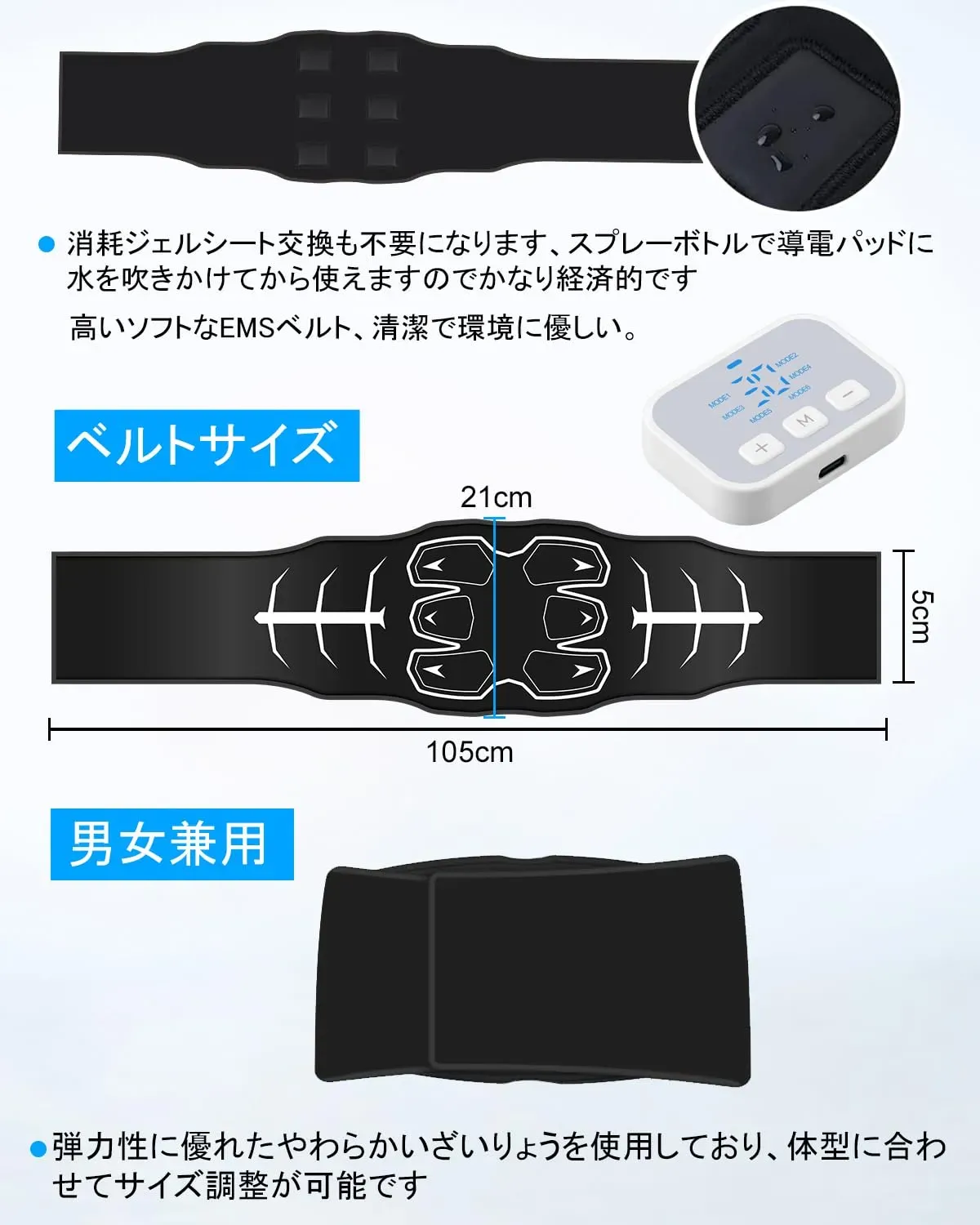
- Comfortable, reusable pads sized for the muscle groups you want to target
- Evidence-informed settings and guidance rather than unrealistic “quick fix” claims
Based on our testing of EMS Care devices with UK users, simple, well-labelled programmes and clear electrode diagrams help people get better results and stay consistent.
Conclusion: Are EMS Devices Worth It for UK Users?
In summary, EMS offers several benefits for UK users: it can support strength, activation, circulation and recovery when used alongside regular activity and physiotherapy, and it can provide joint-friendly loading when high-impact exercise is not possible. However, it should always complement, not replace, movement and should be used in line with NHS and UK regulatory guidance.
If you are in Britain and considering EMS, start with clear goals—such as improving quad strength after a knee issue, boosting glute activation for running or easing post-session soreness. Then, choose a UKCA/CE-marked device, follow the instructions carefully, and seek advice from a GP or physiotherapist if you are unsure. This approach will help you unlock the most meaningful EMS benefits in the UK, safely and effectively.
Ready to try EMS Care?
Shop Now — £100.00