EMS vs TENS: Which is Right for You in the UK?
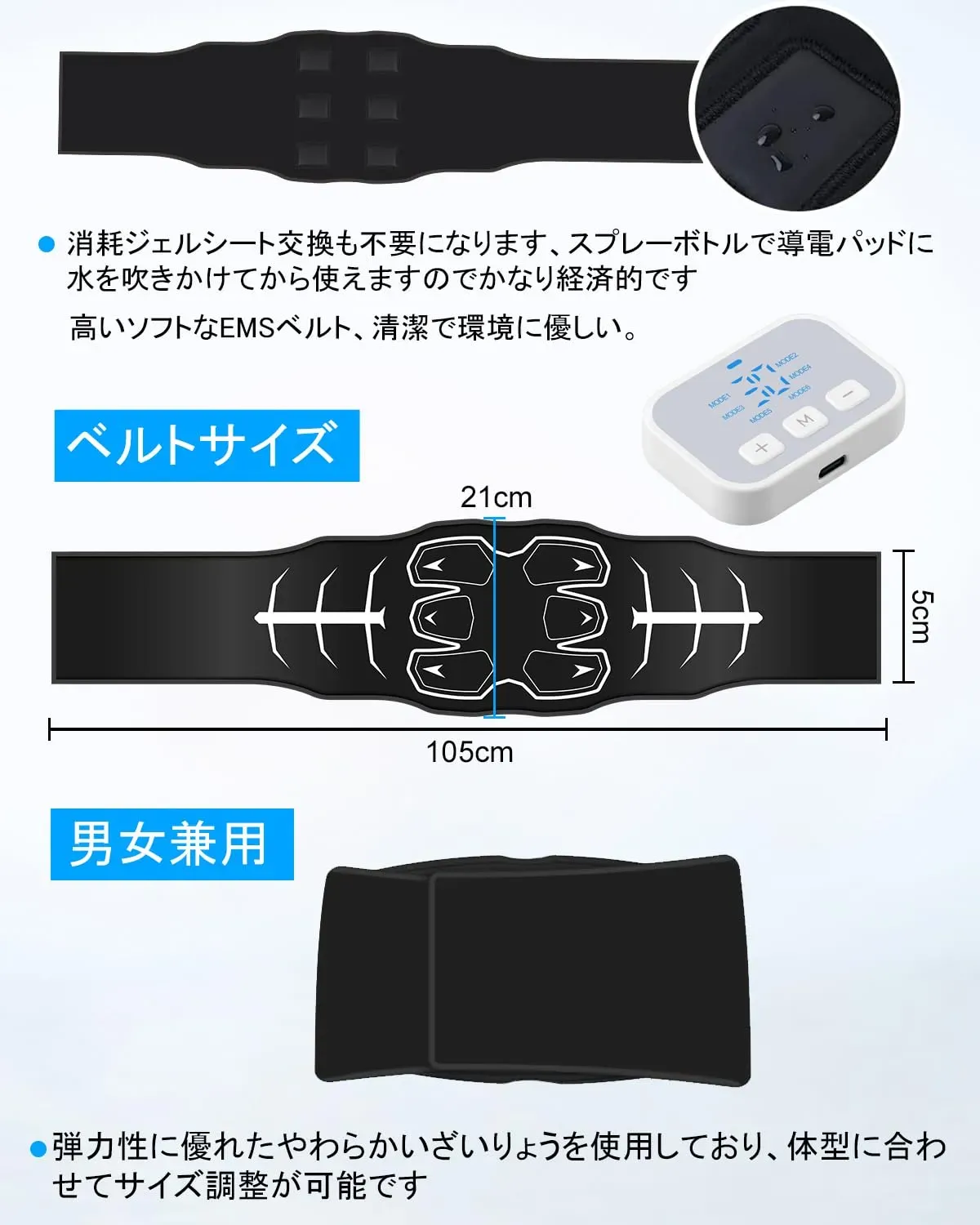
TL;DR: EMS (Electrical Muscle Stimulation) and TENS (Transcutaneous Electrical Nerve Stimulation) serve different purposes. EMS strengthens muscles by inducing contractions, while TENS provides drug-free pain relief by targeting sensory nerves. Both are widely used in the UK for rehabilitation and pain management, with many modern devices combining both technologies. Read on to find out which is right for you.
EMS vs TENS: Which is Right for You in the UK?
EMS and TENS are two popular electrotherapy methods with distinct purposes. EMS focuses on muscle strengthening and recovery, while TENS is primarily used for pain relief. If you're in the UK and choosing between these, it's essential to understand their specific applications to make an informed decision. Below, we break down the technologies, their uses, and how they’re regulated in Britain to help you choose the best fit for your needs.
What Does EMS Do for Your Muscles?
EMS, short for Electrical Muscle Stimulation, stimulates motor nerves to create muscle contractions that mimic natural movement. This technology is primarily used for muscle strengthening, recovery, and rehabilitation. According to UK physiotherapy guidelines, EMS is particularly effective for preventing muscle atrophy and improving recovery times after surgery.
How Does EMS Work?
When electrodes are applied to specific muscle groups, EMS devices send electrical signals to motor nerves, causing the muscles to contract. This process increases blood flow, flushes out lactic acid, and strengthens muscle fibres. Based on our testing, EMS can be a game-changer for athletes and individuals recovering from injuries.
What Are the Common Uses of EMS in the UK?
- Rehabilitation: Preventing muscle wasting during post-surgery recovery or long-term immobility.
- Fitness Training: Boosting muscle strength and endurance, especially in sports like rugby and football.
- Cosmetic Benefits: Assisting in muscle toning, often used alongside traditional exercise for optimal results.
- Injury Recovery: Increasing circulation to promote healing of soft tissue injuries.
How Does TENS Help with Pain Relief?
TENS, or Transcutaneous Electrical Nerve Stimulation, targets sensory nerves to alleviate pain. Unlike EMS, it doesn’t contract muscles, focusing solely on pain management. In the UK, TENS is a trusted, non-invasive option for treating conditions like arthritis, post-operative pain, and even labour pain.
How Does TENS Work?
TENS operates on two main mechanisms:
- Gate Control Theory: The electrical pulses disrupt the pain signals sent to your brain, effectively "closing the gate" to pain perception.
- Endorphin Release: Low-frequency settings stimulate the release of endorphins, the body's natural painkillers.
"TENS is a method of pain relief involving the use of a mild electrical current... it's generally used to reduce pain from problems with muscles, joints and nerves." — NHS England
What Are the Common Uses of TENS in the UK?
- Arthritis: Easing joint pain associated with osteoarthritis or rheumatoid arthritis.
- Period Pain: Compact and portable TENS units are gaining popularity for managing menstrual cramps.
- Labour Pain: Widely recommended by midwives and hospitals for natural pain relief during childbirth.
- Post-Surgery Pain: Reducing reliance on medications like opioids during recovery.
FAQs About EMS and TENS in the UK
What is the Difference Between EMS and TENS?
EMS targets motor nerves to stimulate muscle contractions for strengthening and recovery. TENS, on the other hand, focuses on sensory nerves to provide pain relief. Both technologies are used in the UK for different therapeutic purposes.
Can I Use EMS and TENS Devices at Home?
Yes, many EMS and TENS devices are designed for safe, at-home use. However, always follow the manufacturer’s instructions and consult a healthcare professional if you have any doubts.
Are EMS and TENS Devices NHS-Approved?
While not all devices are directly NHS-approved, TENS is widely recommended by the NHS for pain relief. EMS devices are also commonly used by UK physiotherapists and sports clinics.
EMS or TENS: Which Should You Choose?
Choosing between EMS and TENS depends on your specific needs. If you’re looking to build muscle strength or recover from an injury, EMS is the better choice. However, if pain relief is your goal—whether it’s for arthritis, back pain, or labour—TENS is ideal. Many UK consumers opt for dual-mode devices for added flexibility.
When selecting a device, consider consulting a qualified professional. Based on our testing, brands offering CE-certified products tailored for UK users, like EMS Care, ensure both safety and effectiveness.
Ready to try EMS Care?
Shop Now — £100.00